

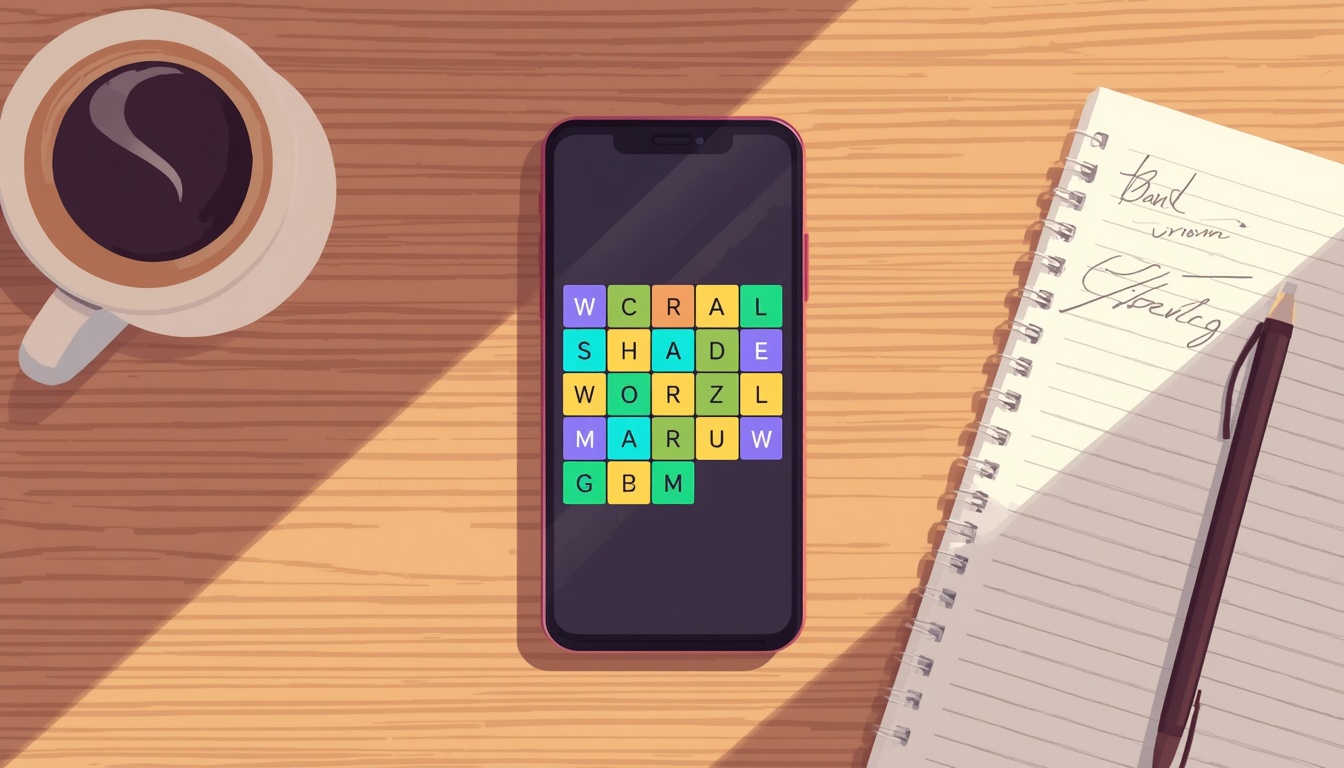
Millions of players open the same 4×4 grid every morning, hoping their coffee kicks in before the purple category does. The daily Connections puzzle looks simple: sixteen words, four hidden groups. In practice, it’s a small battle against misdirection, wordplay, and your own assumptions.
If you’ve landed here searching for a Mashable Connections hint today, you’re probably stuck on one tricky row or trying to protect a solving streak without spoiling the whole board. This guide walks through how the puzzle is built, the tactics sharp players use daily, and exactly how to use hints without ruining the fun of the solve.
Decoding the Grid: The Anatomy of a Connections Puzzle
Every puzzle presents the same setup: sixteen words, tiles that look identical, and four categories hiding underneath. Your job is to sort the words into groups of four that share a common thread a theme, a synonym set, a shared prefix, or something far stranger.
The catch is that the puzzle is designed to make more than one grouping look plausible. A word that seems to belong with three others may actually fit a completely different category. That overlap is intentional, not a design flaw.
The Color-Coded Difficulty System Explained
Each of the four categories is assigned a color that signals how tricky it is:
| Color | Difficulty | Typical Pattern |
|---|---|---|
| Yellow | Easiest | Straightforward themes (fruits, colors, simple synonyms) |
| Green | Moderate | General knowledge groupings, slightly less obvious links |
| Blue | Tricky | Niche categories, specific trivia, less common associations |
| Purple | Hardest | Wordplay, hidden words, phonetic tricks, misdirection |
The color only appears after you’ve solved a group, so it can’t be used to cheat in advance — but understanding the pattern helps you predict what kind of thinking a stuck category might need.
Strategy Breakdown: Beating the Connections Game Every Day
Consistent solvers rarely rely on luck. They follow a repeatable process:
- Start with the group you’re most confident about, usually yellow or green.
- Resist submitting a guess the moment you spot four matching words check if a fifth word could also fit.
- Save your riskiest guess for last, since the final four words are locked in by elimination.
- Track wrong guesses mentally so you don’t repeat a losing combination.
The “Shuffle” Tactic for Fresh Perspectives
Your brain naturally groups tiles by their position on the board, not their meaning. Shuffling the grid breaks that visual bias and often reveals a connection you’d been staring past for minutes. It costs nothing and takes two seconds, so use it liberally whenever you feel stuck.
See More: Madeline Argy Age 2025: Biography, Net Worth & Career Journey Revealed
Identifying and Isolating Red Herrings
Nearly every puzzle plants at least one red herring a word that seems to obviously belong to one group while actually belonging to another. A common giveaway: if you can count five or more words that appear to fit a single category, at least one of them is a trap. Set the most ambiguous word aside and test the remaining four first.
How to Use the Mashable Connections Hint Today Effectively
Hints work best when used in stages rather than all at once. Jumping straight to the full answer removes the challenge entirely, while a layered approach keeps your streak alive and your brain engaged.
Step 1: Reviewing the Category Themes
Before looking at individual words, read a one-line description of each category’s theme. This nudges your thinking in the right direction without revealing which words belong where.
Step 2: Revealing One Word Per Category
If the theme alone doesn’t unlock it, reveal a single confirmed word from each group. This gives you an anchor point to build the rest of the category around using logic instead of guesswork.
Step 3: The Full Answers Guide
When all else fails, the complete solution is there as a last resort. Reading through the reasoning behind each group especially the purple one is often more valuable than the answer itself, since it teaches you to spot that pattern next time.
Expert Perspectives: Elevating Your Analytical Thinking
Puzzle designers build these grids the same way strategists build decision trees: by layering plausible options and testing which ones survive scrutiny. Treating the daily puzzle like a small analytical exercise gathering evidence, testing a hypothesis, and revising it when it fails sharpens the same reasoning skills useful in workplace problem-solving. Regular players often report that the habit of pausing before committing to an answer carries over into how they approach ambiguous decisions elsewhere.
Advanced Tactics for the Blue and Purple Categories
Blue and purple groups rarely reward a first instinct. They’re built specifically to punish players who commit too early.
Mastering the “Fill-in-the-Blank” Clues
A frequent purple pattern hides a shared word that attaches before or after each item. Four words like “Cheese,” “Paper,” “Game,” and “Snow” look unrelated until you add “board” to each one. When a group of words feels randomly assembled, try mentally attaching common prefixes and suffixes to see if a pattern emerges.
Navigating Homophones and Phonetic Wordplay
Some categories group words by sound rather than spelling or meaning. A category built around “letters of the alphabet” might include “Sea,” “Eye,” “Queue,” and “Why” none of which share a definition, but all of which sound like letters when spoken aloud. If a group makes no logical sense on paper, try reading the words out loud.
The Evolution of Word Puzzles: From Crosswords to Grid Groupings
Word puzzles have shifted from pure vocabulary tests toward games that reward pattern recognition and categorization. Crosswords ask you to recall a specific word from a definition. Grid-grouping games like Connections ask something different: sort information that initially looks scattered into a coherent structure. That shift mirrors a broader trend in casual gaming, where quick, daily, shareable challenges have replaced longer-form puzzles as a habitual part of people’s routines.
Cognitive Benefits of Daily Puzzle Gameplay
Beyond entertainment, a short daily puzzle session offers measurable mental benefits.
Boosting Neuroplasticity and Memory
Repeatedly wrestling with unfamiliar word relationships encourages the brain to form new neural connections. This process supports both working memory, used to hold multiple possible groupings in mind at once, and long-term semantic memory, which stores the patterns you’ve learned from past puzzles.
Enhancing Lateral Thinking and Problem Solving
Lateral thinking means approaching a problem indirectly rather than through the first obvious answer. Purple categories, in particular, train this skill by punishing direct logic and rewarding creative reframing a skill that transfers well beyond the puzzle itself.
Common Pitfalls and How to Avoid Them
- Submitting a guess as soon as four words seem to fit, without checking for a fifth candidate.
- Ignoring outlier words that don’t obviously belong anywhere they’re often the key to the hardest category.
- Assuming a word only has one meaning, when many purple categories rely on double meanings.
- Rushing through easy categories without double-checking, wasting a guess on a careless mistake.
- Giving up and checking full answers before trying at least one hint stage.
Frequently Asked Questions About Daily Puzzle Hints
What time does the new daily puzzle reset?
The puzzle typically resets at midnight in your local time zone, giving every player a new grid to solve each day.
Are the Mashable hints updated every single day?
Yes, hints and answers are refreshed daily to match that day’s specific puzzle and categories.
How many mistakes are allowed before the game ends?
Players get four mistakes total; a fifth incorrect guess ends the puzzle for that day.
Does using hints ruin the game?
Not if used in stages a light nudge preserves the challenge, while jumping straight to full answers removes it.
Building a Daily Cognitive Routine
Treating the puzzle as a two-to-five-minute daily habit, rather than an occasional distraction, is where the real cognitive payoff comes from. Pairing it with another quick brain exercise, like a mini crossword or number puzzle, builds a small but consistent mental warm-up before the rest of your day begins.
Conclusion: Mastering the Art of the Solve
The daily Connections grid rewards patience over speed and pattern recognition over pure vocabulary. Whether you rely on a light category hint or need the full answer on an especially tricky purple group, the goal is the same: sharpen your thinking one puzzle at a time. Come back tomorrow, shuffle the board, and start again.

Hi, I’m Thomas, bringing you the latest celebrity news and trending stories at CelebHarbor.com.